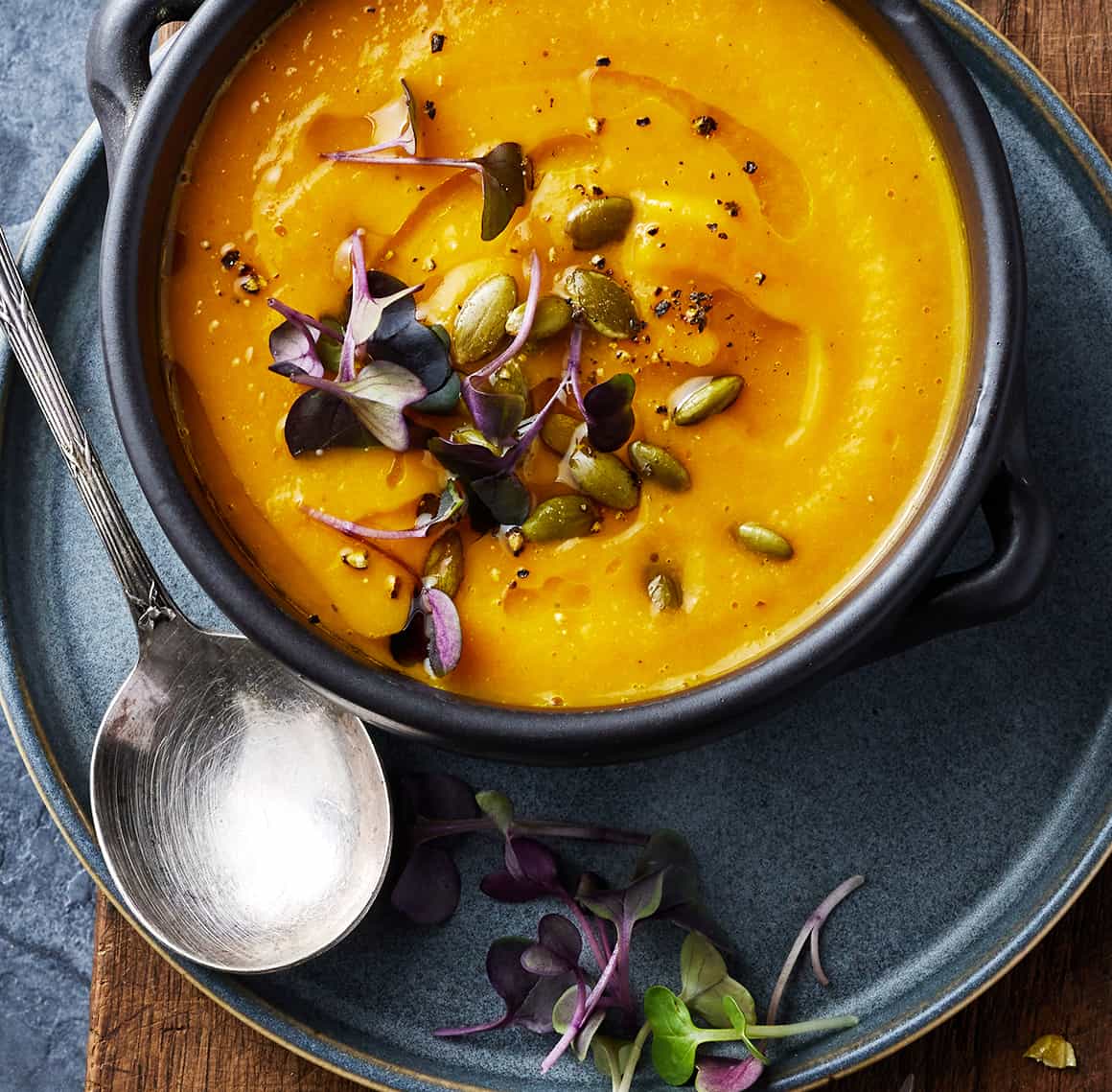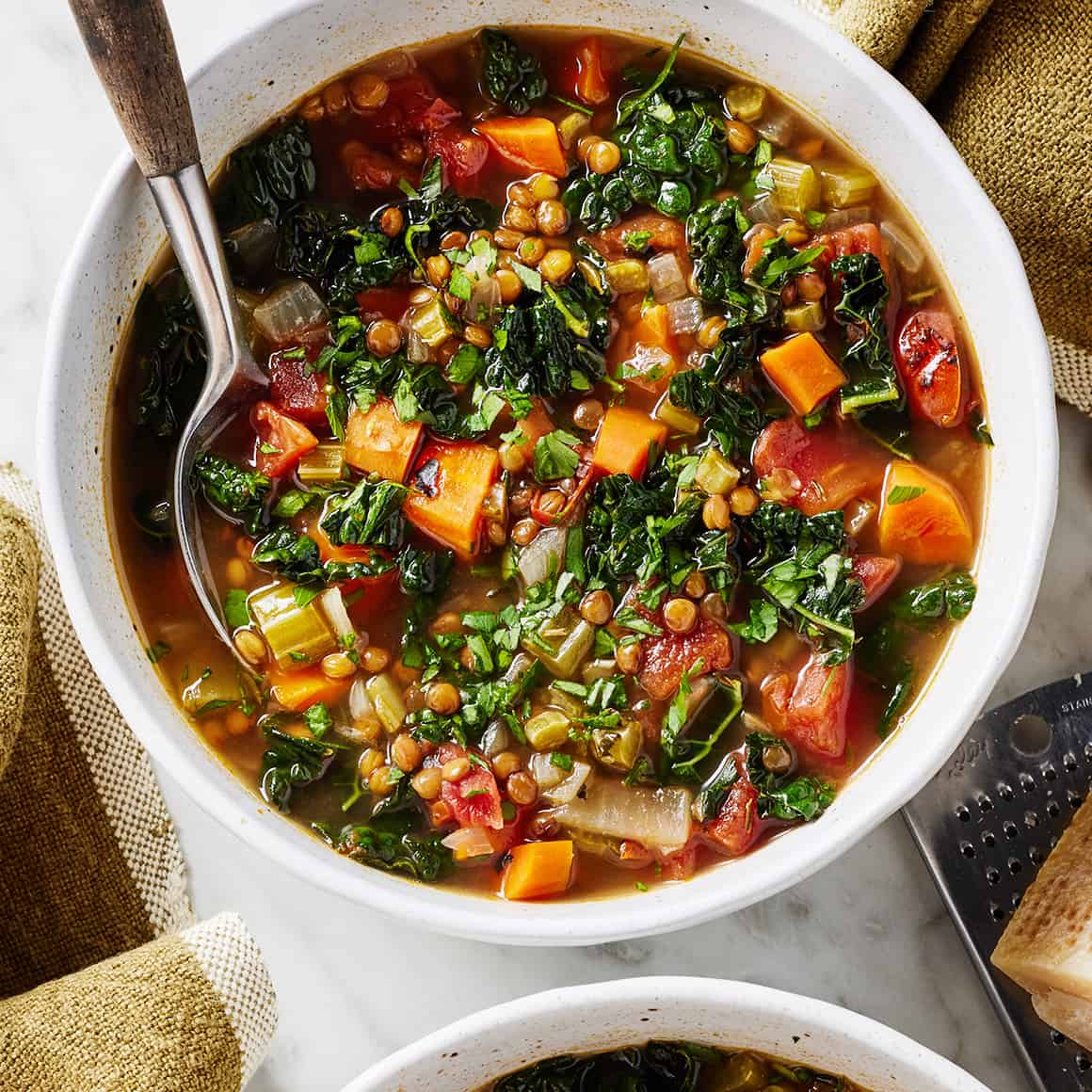
A bowl of grains and vegetables looks healthy. But if there is no fat in it, you may be leaving some of its nutrition on the plate.
Many of the compounds in vegetables are fat-soluble, meaning they need dietary fat to be absorbed efficiently. Carotenoids, the pigments behind orange carrots, red peppers, and green spinach, are the clearest example. A classic review in The Journal of Nutrition by van Het Hof and colleagues summarized the evidence: adding fat to a meal increases carotenoid absorption, and even a small amount, around 3 to 5 grams per meal, can make a measurable difference.
In practice, that means the sauce matters. A bowl with dry grains, raw vegetables, and no oil is not the same as one with a lemon-tahini dressing, a handful of walnuts, or half an avocado. A 2024 review on chickpeas and the gut microbiome notes that legumes are dense in fiber and protein, but it does not address this absorption question. The point here is separate: the fat you add to the bowl helps your body access the fat-soluble nutrients already in it.
What this does not mean is that you should pour oil on everything. It means a balanced bowl includes a source of fat, not as a garnish but as part of the structure. Olive oil in the dressing. Nuts or seeds scattered on top. Avocado sliced in. These are not indulgences. They are what makes the vegetables worth eating in the first place.
So the next time you assemble a grain bowl, check the sauce. If it is fat-free, add a drizzle of olive oil or a spoonful of tahini. The bowl will taste better, and your body will absorb more of what is in it.