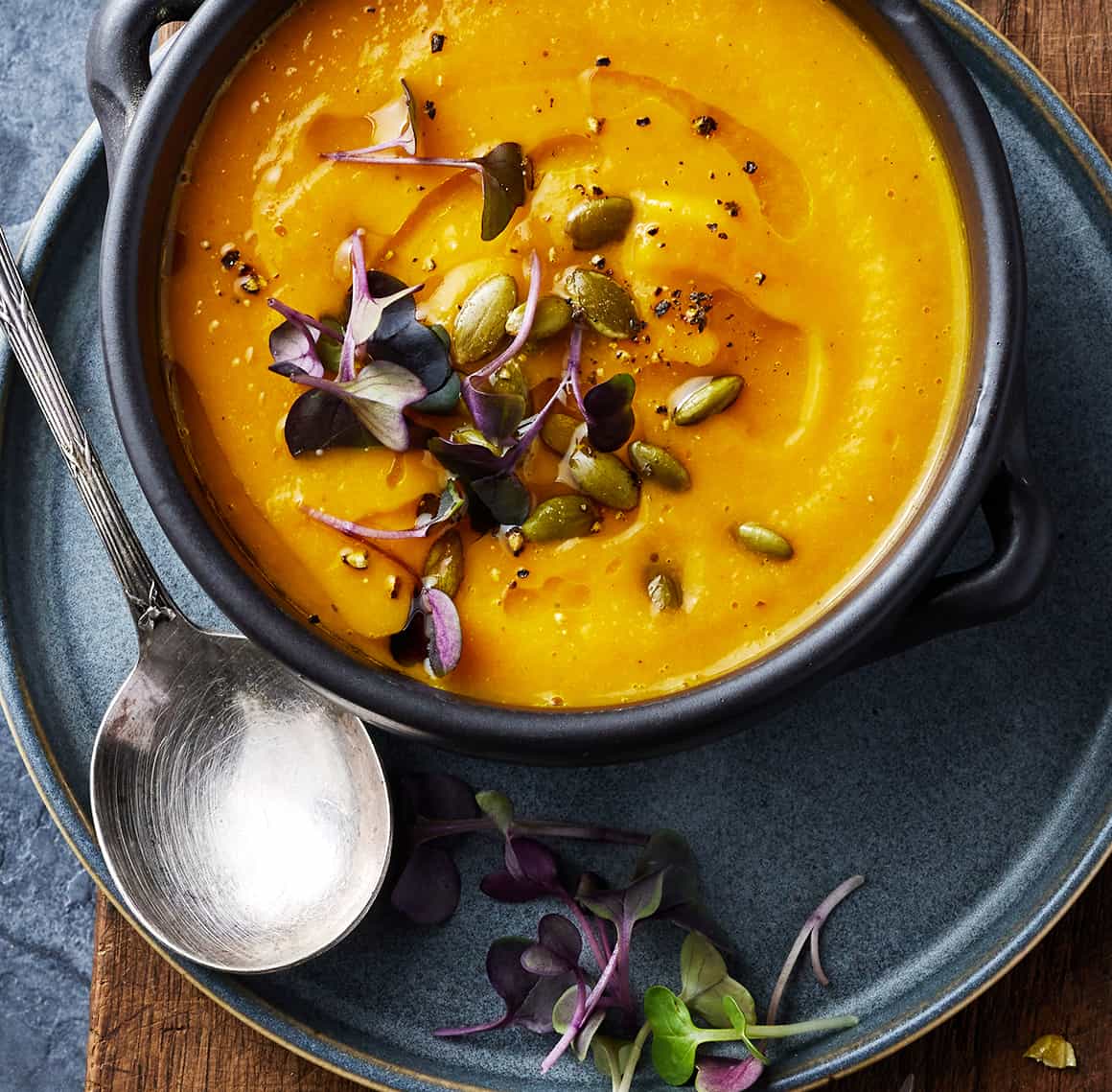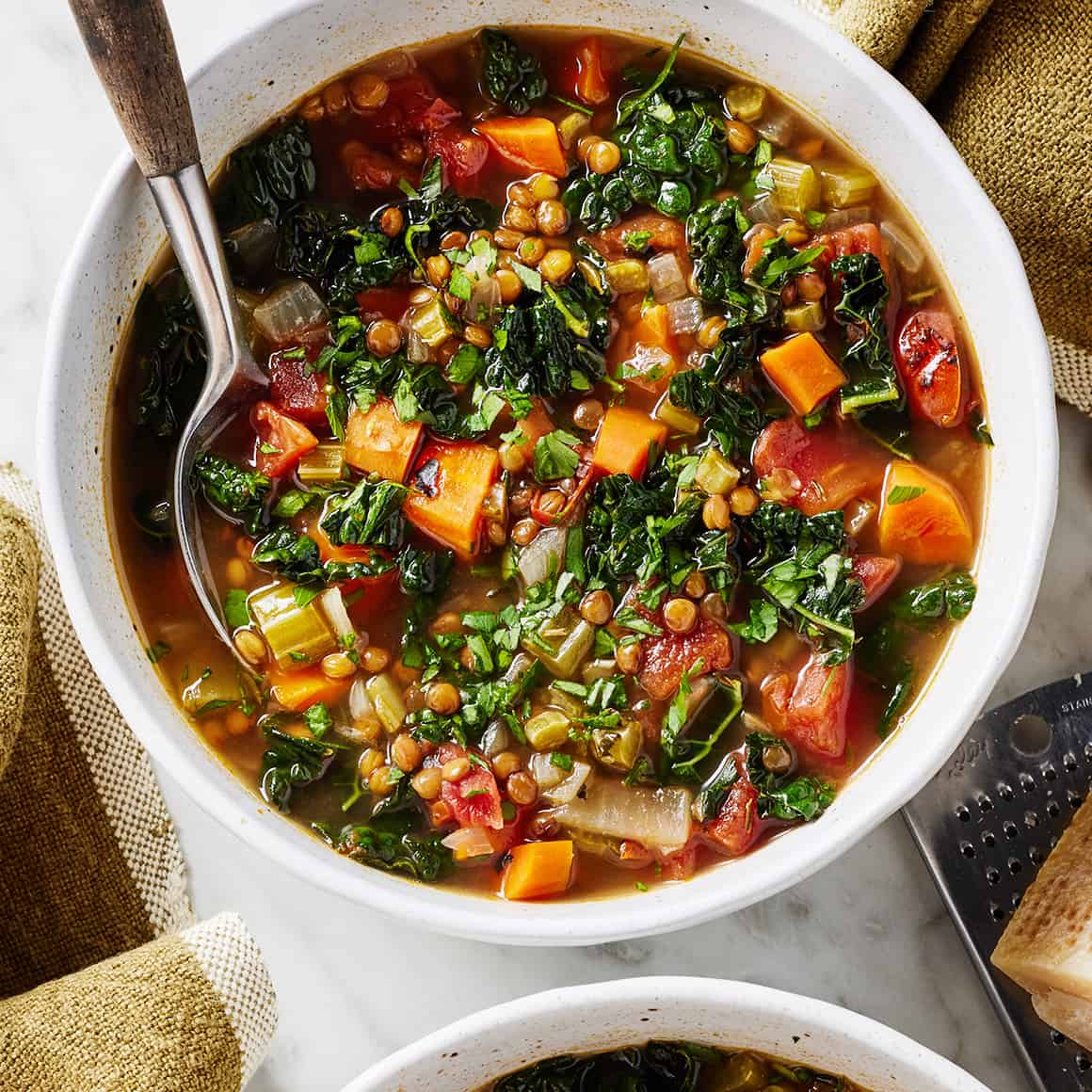
An anti-inflammatory diet involves selecting specific foods to reduce inflammatory responses in the body. Inflammation is the body’s natural reaction to external irritants such as bacteria, viruses or injuries. However, when this response persists over time, it may trigger a range of health problems including cardiovascular disease, diabetes and even certain types of cancer. Therefore, a well-balanced diet can help modulate this inflammatory response and preserve physical health.
What foods does the anti-inflammatory diet typically include? It prioritizes foods rich in antioxidants and omega‑3 fatty acids, for example:
- Fruits and vegetables: especially dark-coloured fruits and leafy greens such as blueberries, strawberries, spinach and broccoli. These are packed with vitamin C and phytochemicals that effectively fight free radicals and ease inflammation.
- Whole grains: oats, brown rice and whole-wheat bread. They contain abundant fibre to support gut health.
- Healthy fats: olive oil, nuts and fatty fish (particularly salmon and sardines). These are high in omega‑3 fatty acids, which help lower inflammation in the body.
- Spices and herbs: ginger, turmeric and garlic have powerful anti-inflammatory properties and may boost immune function.
There are many real-life examples demonstrating how diet impacts health. For instance, studies show the Mediterranean diet — rich in fruits, vegetables, whole grains, fish and olive oil — can markedly reduce the risk of heart disease precisely because it is loaded with anti-inflammatory foods.
For fitness, a well-designed anti-inflammatory diet also supports faster recovery for athletes and gym-goers. Eating antioxidant-rich fruit (such as blueberries) plus protein (chicken breast, tofu) after exercise helps reduce muscle inflammation and speeds recovery.
Still, many people wonder about online anti-inflammatory recipes: are they trustworthy? Keep these key points in mind when adopting an anti-inflammatory eating pattern:
- Scientific validity of recipes: Make sure your recipes come from qualified dietitians or medical experts, rather than unvetted content shared casually online.
- Individual variability: Everyone has unique physical conditions and nutritional needs. A diet that works for others may not suit you. Consult a healthcare professional before trying new meal plans.
- Consistency and balance: The anti-inflammatory diet is not a short-term diet programme, but a long-term lifestyle. Dietary diversity and nutritional balance are essential.
The anti-inflammatory diet offers distinct benefits for young adults, middle-aged and older people alike. For younger people, it helps maintain good physical condition during growth and development. For middle-aged adults, it can substantially lower the chance of developing chronic illnesses. For seniors, it improves quality of life and strengthens immunity.
Here are some lesser-known health tips:
- Dark chocolate: Moderate intake of dark chocolate (70%+ cocoa content) may reduce inflammation and support heart health.
- Green tea: Rich in EGCG (epigallocatechin gallate), widely recognised as a potent anti-inflammatory compound.
- Benefits of nuts: Eating a moderate portion of nuts daily (walnuts, almonds) can significantly cut cardiovascular disease risk.
- Importance of hydration: Adequate water intake aids the body’s detoxification and helps mitigate inflammation.
- Healthy daily routine: Regular sleep schedules and sufficient rest also play a positive role in fighting inflammation.
To sum up, the anti-inflammatory diet is an evidence-based approach to maintaining wellness through smart food choices. It focuses on foods high in antioxidants and healthy fats to reduce bodily inflammation. By choosing suitable anti-inflammatory recipes, paired with regular exercise and healthy lifestyle habits, we can better protect our health day-to-day. Are you ready to try the anti-inflammatory diet?